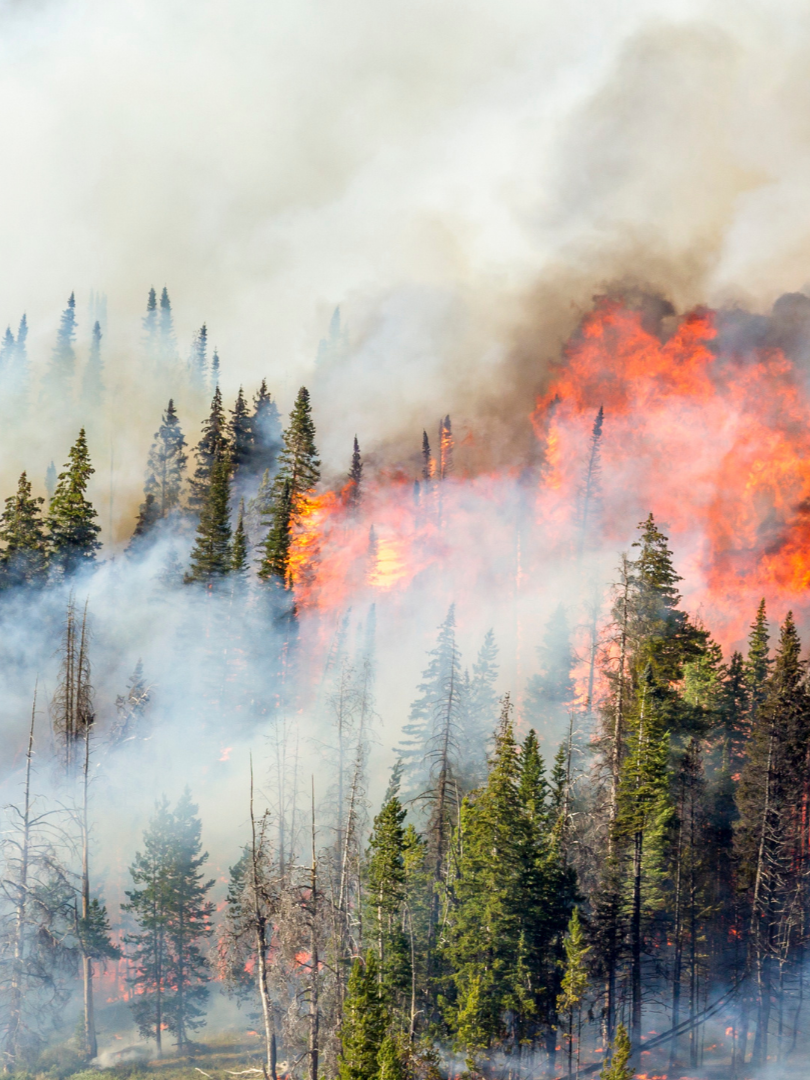
When people are forced to leave their homes with little notice, almost every aspect of daily life can be disrupted, including access to medications and health-care services.
For people living with opioid use disorder (OUD), that disruption can be particularly serious.
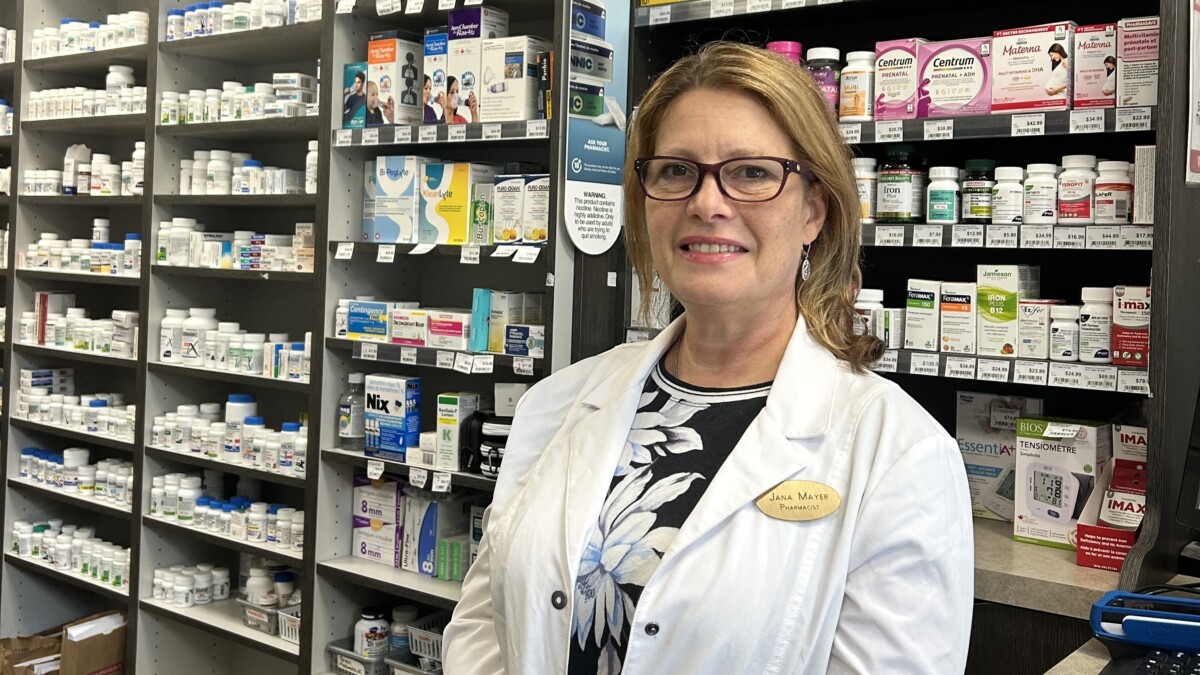
That’s why Toronto pharmacist Jana Mayer stepped in to help a number of evacuees from remote communities who were displaced by northern Ontario wildfires this summer.
Mayer, a pharmacy manager at Dundas West Village Pharmacy, has been a community pharmacist for 20 years. She has extensive experience providing opioid agonist therapy (OAT), including more than 1,000 Sublocade injections since she began administering the medication during the COVID-19 pandemic. She also trains other pharmacists in administering the injection.
Sublocade is a long-acting, injectable form of buprenorphine. Administered under the skin by a health-care professional, it gradually releases medication over approximately 28 days, helping manage withdrawal symptoms and reduce cravings. Its once-monthly dosing can also help people maintain treatment when daily medication routines or regular access to care are disrupted.
Compassionate Care Amidst Uncertainty
When the wildfires displaced hundreds of people, many landing in Toronto, Mayer’s wealth of experience injecting Sublocade led to an opportunity to support wildfire evacuees living with OUD.
Mayer first connected with members of the Cat Lake First Nation and Neskantaga First Nation communities after they were evacuated to Toronto in July. Since late July, she has been providing Sublocade injections to evacuees with opioid use disorder (OUD).
For Mayer, the appointment is about more than just administering medication.
“Many of these patients are very sick, and it’s not their fault,” she says. “They need to be helped, and they need to be heard.”
Mayer takes the time to ask patients about their homes, their families, their support systems and how they have been feeling on their medication.
“Talking about their home is what they want to do,” she says.
For people who have been separated from their communities and are uncertain when they will be able to return, maintaining a familiar treatment routine can provide an important sense of stability. Some evacuees have already returned home, while others may remain in Toronto for several more months, with the returns happening in waves.
The Pharmacist’s Role in OUD
For Mayer, ensuring people can continue their OUD treatment during an emergency is part of a larger commitment to reducing stigma and making sure patients do not fall through the cracks.
She points to the way opioid dependence can sometimes begin following treatment for an injury or other medical condition. A patient may initially receive prescription opioids for pain, only to experience physical withdrawal when the medication is discontinued. Without adequate support, some people may turn to the illicit market to manage those symptoms.
Mayer believes pharmacists have an important role to play in ensuring people living with OUD can access appropriate treatment and support, particularly when circumstances make accessing care more difficult.
“I do the job the best I can in connecting people with OUD to these treatments,” she says.
Her work with wildfire evacuees is one example of how pharmacists can contribute beyond the traditional pharmacy setting, bringing clinical expertise, compassion and continuity of care to people experiencing an emergency.
For Mayer, it comes down to making sure patients know that someone is there to help.
“We shouldn’t leave them hanging.”